When Reuse Is the Right Fit
Giving used tires a clear and practical next purpose
October is Circular Economy Month, a time to look at how products and materials can stay in use longer.
For some of Ontario’s used tires, reuse may be an option. A tire might continue serving its original purpose on a vehicle or take on a different practical use. When neither option applies, processing can recover its rubber, steel and fibre for other products.
What Does Tire Reuse Mean?
In Ontario’s tire management system, reuse generally falls into two categories: reuse on a vehicle and reuse for a new purpose.
A tire may be reused on a vehicle if a tire service professional determines that it is suitable for the vehicle and its intended use.
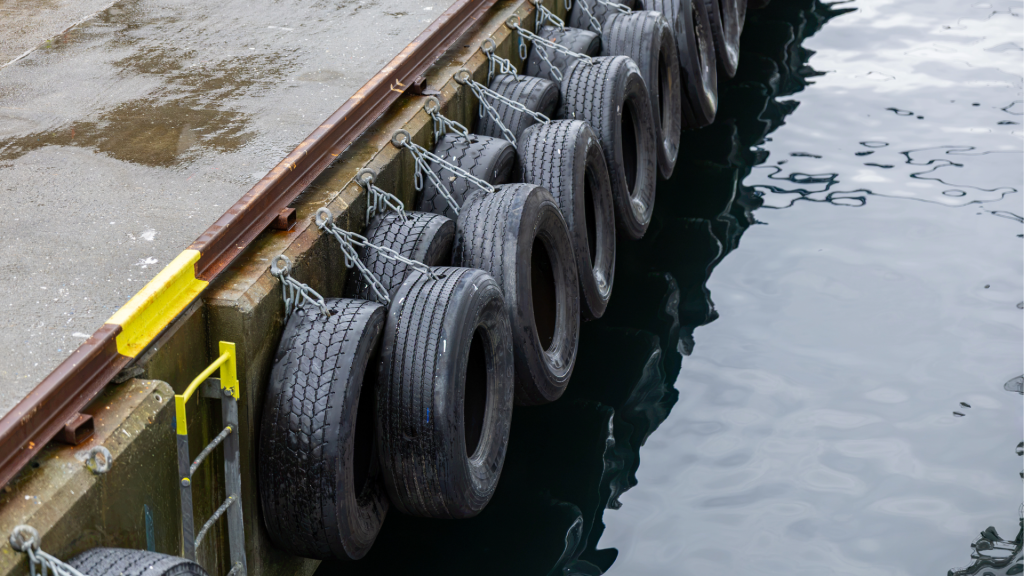
A tire may also be reused for a new purpose. Under Ontario’s tire reporting framework, this means keeping the tire intact and using it for another identified purpose without modifying it.
Examples identified by the Resource Productivity and Recovery Authority include:
- Dock bumpers
- Agricultural bunkers
- Flowerpots and planters
In each case, the tire remains intact but serves a new function.
Why Does a Clear Destination Matter?
Reuse requires a specific purpose and destination.
Moving or storing tires without knowing how they will be used adds transportation, handling and storage without putting them back into use. It may simply delay the need to manage them.
Ontario’s reporting framework separates tires reused on vehicles from those reused for a new purpose. This creates a clearer record of where the tires go and how they are used.
Start With the Tire’s Condition
Not every tire is suitable for continued use.
A tire may appear to have tread remaining but still have damage or deterioration that is difficult to see. Before returning to the road, it should be assessed by a tire service professional.
A tire that is no longer suitable for a vehicle should not automatically be used for something else. Its condition, proposed use and location still matter. Reuse only makes sense when the tire has a safe and practical purpose.
What Happens When a Tire Cannot Be Reused?
When reuse is not an option, the tire should enter Ontario’s tire collection and management system rather than being stored indefinitely or improperly discarded.
Ontarians can use the eTracks collection site search to find a nearby enrolled location. Participating sites accept eligible used tires from consumers at no charge during regular business hours, including tires on rims. Contact the site first to confirm its hours and acceptance requirements.
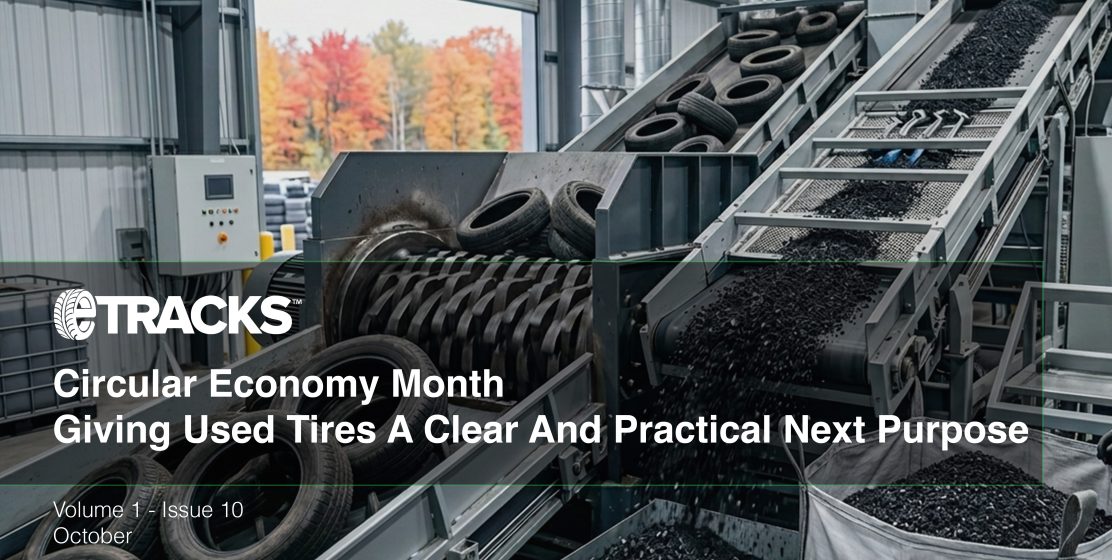
After collection, tires that cannot remain intact may be sent to a processor. There, they are separated into materials such as rubber, steel and fibre, which can be used in:
- Livestock and equestrian mats
- Sporting and recreational surfaces
- Landscaping and construction materials
- Rubber-modified asphalt
This is recycling rather than reuse. Reuse keeps the tire intact, while recycling recovers its materials for other products.
Finding the Right Fit
Reuse does not mean keeping every tire in use indefinitely. It means giving a suitable tire another clear and useful purpose.
One tire may remain on a vehicle after a professional assessment. Another may serve a different function while remaining intact. When neither option is suitable, responsible collection and recycling can keep its materials in use.